ClickCease

Losing $10,000 every sixty minutes while a critical decanter sits idle is a reality that 85% of plant managers across the Gulf Coast have faced this year. When your rotating assets fail, you don’t just need a mechanic; you need a precision plan that accounts for the extreme centrifugal forces of your specific application. You’ve likely seen what happens when a generalist shop attempts high-speed balancing without sub-micron tolerances; the vibration returns within 30 days. It’s clear that standard repairs don’t hold up under 24/7 production cycles, and waiting 18 weeks for an OEM response isn’t a viable strategy for a lean operation.

This guide offers a veteran-level deep dive into the technical realities of industrial centrifuge repair Texas facilities utilize to maintain mechanical integrity. I’ll show you how to restore equipment to exact OEM specifications while reducing typical lead times by 40% through localized expertise. We’ll examine the specific metallurgy required for scroll hard-surfacing and the balancing protocols that extend your Mean Time Between Failures by an average of 3,500 hours. From identifying bearing housing wear to optimizing gearbox torque, this is how we keep your assets spinning at peak efficiency.

Key Takeaways

  • Understand the critical economic impact of downtime in Gulf Coast facilities and how a proactive approach to maintenance prevents catastrophic operational failures.
  • Learn why Non-Destructive Testing (NDT) is a vital first step in the teardown process for identifying microscopic stress fractures before they lead to equipment loss.
  • Discover how dynamic balancing and precision machining mitigate destructive vibrations, protecting your high-value gearboxes from premature wear.
  • Use our veteran-vetted framework to evaluate providers of industrial centrifuge repair Texas, ensuring your partner has the technical depth to handle brands like Flottweg and Alfa Laval.
  • Explore tactical solutions for restoring rotating assets that prioritize mechanical precision and long-term reliability over quick-fix patches.

The High Stakes of Industrial Centrifuge Reliability in Texas Operations

Texas industrial facilities operate under some of the most demanding conditions in North America. Whether it’s a refinery in Beaumont or a municipal plant in Houston, the centrifuge serves as the critical heartbeat of the separation process. When these machines experience mechanical failure, the financial impact is immediate and severe. Data from 2023 industry reliability audits indicate that unplanned downtime in Gulf Coast petrochemical plants averages $32,000 per hour in lost production and labor overhead. This is not merely a localized equipment issue; it represents a systemic disruption where the entire process chain is compromised by a single point of failure.

To better understand the mechanical complexities and the precision required during a restoration, watch this helpful video:

The environmental stressors prevalent across the Texas landscape necessitate a rigorous maintenance protocol to mitigate the effects of accelerated mechanical wear. High humidity levels, which statistically exceed 85% for 120 days of the year along the coast, promote rapid atmospheric corrosion on non-stainless structural components. Simultaneously, abrasive slurries containing silica or heavy metal particulates act as an internal grinding medium on the bowls and scrolls. A comprehensive understanding of The Anatomy of a Professional Centrifuge Overhaul is required for operators to distinguish between a superficial patch and a true engineering restoration. It’s a reality that a “quick fix” often results in catastrophic secondary failure within the first 500 hours of post-repair operation. These failures are typically traced back to unresolved vibrational harmonics or bearing housing tolerances that exceeded the 0.001-inch specification. When searching for the industrial centrifuge repair Texas facilities require, the focus must remain on technical precision rather than temporary convenience.

Centrifuges in the Oil & Gas Value Chain

In the upstream sector, centrifuges are utilized to manage drilling fluids by removing fine solids that would otherwise compromise the integrity of expensive downhole tools. Refinery operations utilize these systems for slop oil separation, where equipment must handle fluctuating feed densities and temperatures frequently reaching 210°F. Common failure points are identified in the gearbox assembly and the specialized feed zone liners. If solids control efficiency drops below 98%, downstream pumps and heat exchangers experience 30% faster erosion rates, leading to a cascade of maintenance requirements across the facility.

Wastewater and Chemical Processing Challenges

Municipal and industrial wastewater plants processing over 10 million gallons per day rely heavily on decanter centrifuges for sludge dewatering. Corrosion and erosion are the primary technical hurdles, often acting as the silent killers of disc stack separators. A 5% increase in cake moisture resulting from poor centrifuge performance can increase annual hauling costs by $150,000 for a standard facility. Beyond the economic variables, regulatory compliance remains a critical driver. A centrifuge-related spill or discharge violation can trigger TCEQ fines starting at $10,000 per day. Securing the industrial centrifuge repair Texas experts provide is therefore a fundamental component of a plant’s risk management and environmental stewardship strategy.

The Anatomy of a Professional Centrifuge Overhaul

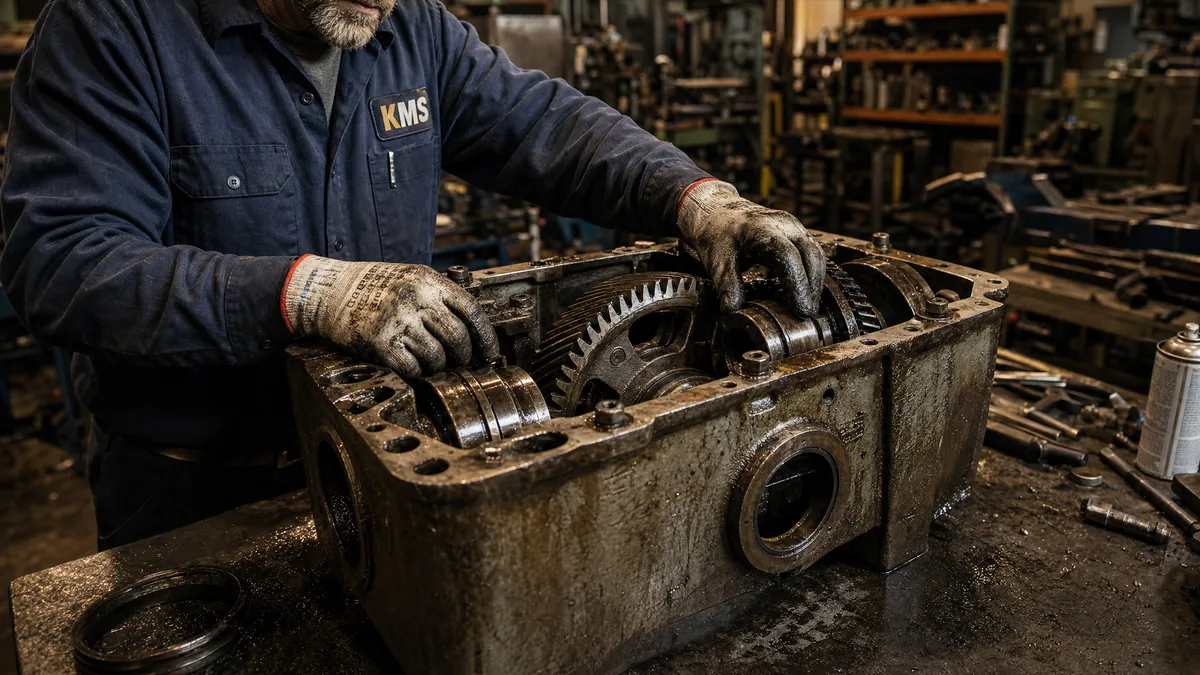
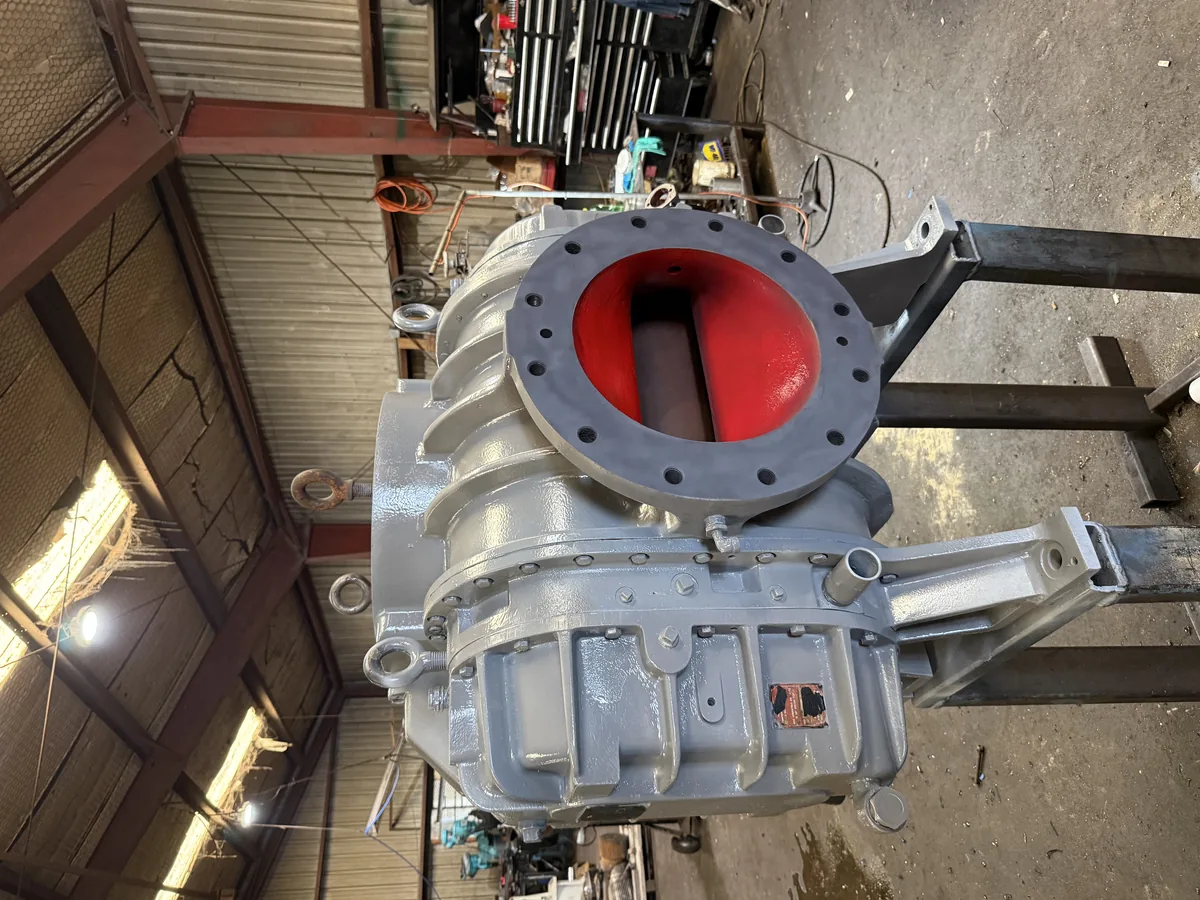
Executing a high level industrial centrifuge repair Texas project requires a forensic approach to mechanical engineering. It is not enough to simply replace worn components; we must understand why those components failed in the first place. The process begins with a comprehensive technical teardown where we document the as-found condition of the unit. We record every clearance, run-out measurement, and visible wear pattern before any cleaning occurs. This initial data collection provides the baseline for the entire restoration process, ensuring that the final assembly meets or exceeds original equipment manufacturer (OEM) specifications.

Precision is the standard in our shop. We utilize dimensional inspections on bearing journals and seal surfaces with tolerances as tight as 0.0005 inches. If a spindle journal shows wear exceeding 0.002 inches, it can trigger harmonic vibrations that shorten the lifespan of new bearings. By identifying these deviations early, we prevent the “spinning our wheels” scenario that often plagues sub-standard repair shops. Every measurement is logged into a documented quality control process that follows the machine from the intake bay to the final balance stand.

Phase 1: Decontamination and Inspection

Safety and clarity begin with decontamination. Before our technicians can perform a detailed analysis, the equipment undergoes a rigorous cleaning protocol. This is especially vital for units coming from oily waste or chemical processing environments where residue can hide structural flaws. We use specialized degreasing agents and high pressure steam to strip the bowl and scroll down to the bare metal. Once the surfaces are prepped, we move into Non-Destructive Testing (NDT).

Our team employs liquid dye penetrant and magnetic particle testing to identify microscopic stress cracks in the bowl wall and hub areas. A decanter bowl spinning at 3,400 RPM handles immense centrifugal forces. Ignoring a 2 millimeter hairline crack is not an option when you consider the High Stakes of Industrial Centrifuge Reliability in a busy plant. Following the inspection, we generate a 12 page report for plant management that outlines every finding, from metallurgy issues to seal degradation, providing total transparency before the repair begins.

Phase 2: Component Restoration and Replacement

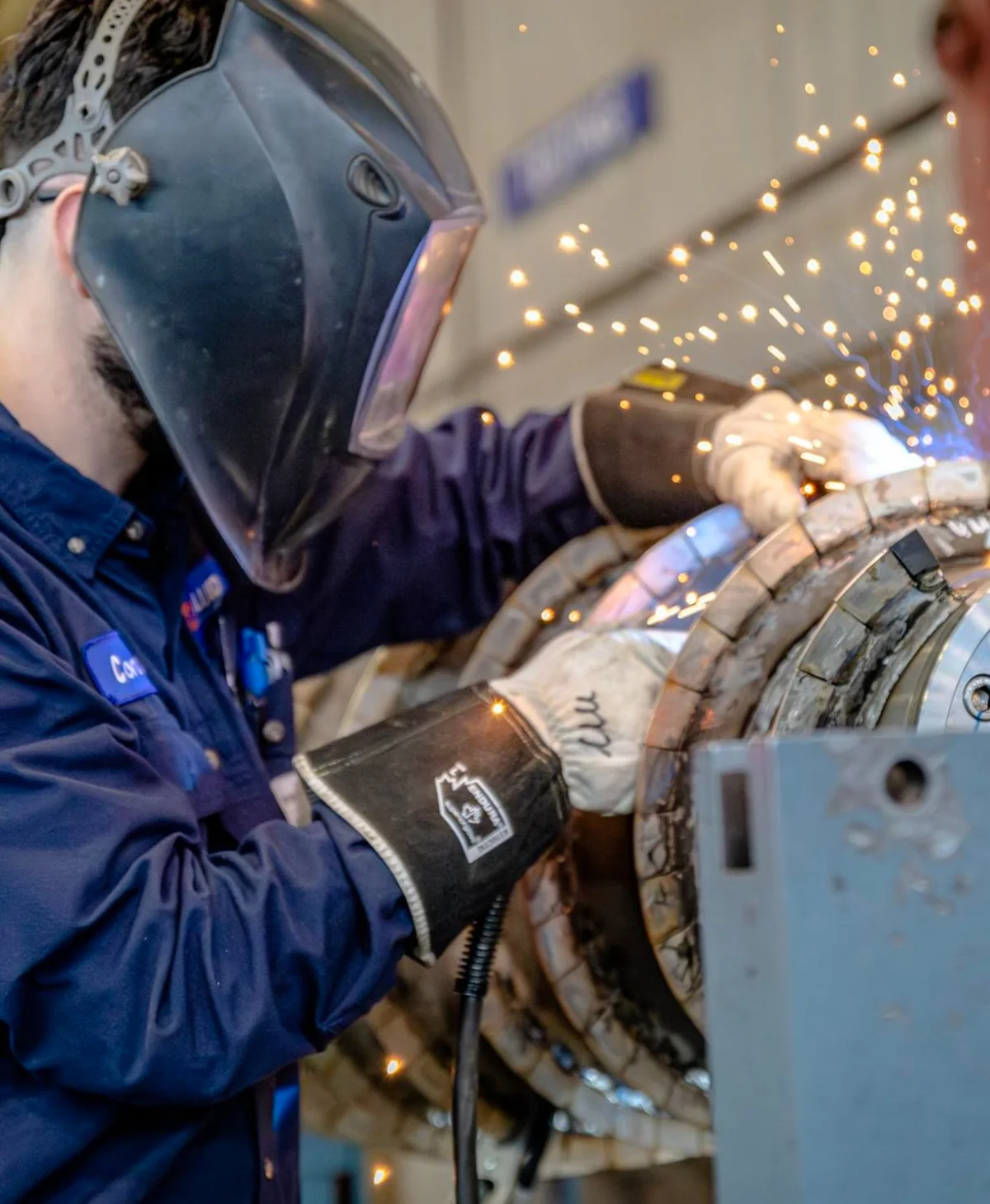
The decision to repair or replace a component hinges on both metallurgy and economics. When we evaluate scroll and bowl integrity, we look for erosion in high velocity areas. If the scroll flighting has lost more than 15 percent of its original thickness, we implement hard-surfacing techniques. This involves applying Tungsten Carbide tiles or flame-sprayed coatings to provide wear protection in abrasive environments. These materials significantly extend the mean time between failures (MTBF) for units handling grit-heavy slurries.

We don’t compromise on the small stuff. Sourcing OEM-spec bearings and seals is a non-negotiable part of our workflow for high-speed applications. We utilize tier-one brands like SKF or FAG to ensure the internal clearances are correct for the operating temperature of your specific process. Whether we are machining a new 316 stainless steel discharge port or re-balancing a scroll to ISO 1940 G2.5 standards, the goal is a return to peak efficiency. If your equipment is currently underperforming or showing signs of excessive vibration, you can request a technical quote to start the evaluation process with our Texas-based team.

The final stage of the overhaul involves a test run where we monitor vibration levels and bearing temperatures across the full speed range. We don’t just ship the unit back; we provide a full data package that proves the machine is ready for another 10,000 hours of service. This methodical approach is what keeps Texas industrial operations running without the fear of sudden, catastrophic equipment failure.

Industrial Centrifuge Repair in Texas: A Technical Guide to Restoring Rotating Assets

Precision Machining and Dynamic Balancing: The Core of Longevity

A centrifuge spinning at 3,000 RPM isn’t just a piece of equipment; it’s a high-energy system where physics works against you if the geometry is off by even a fraction. When you’re managing an industrial centrifuge repair Texas project, the margin for error effectively disappears. We’ve seen cases where a mere 15 grams of residual unbalance on a decanter bowl led to the total failure of a $52,000 planetary gearbox within 72 hours of operation. Vibration isn’t just a nuisance. It’s a mechanical parasite that eats bearings, seals, and structural welds until the machine reaches a catastrophic state.

Precision machining is the only way to stop this cycle. If a bearing seat is out of round by 0.001 inches, the bearing won’t sit right. It’ll run hot, vibrate, and fail. When we take on a repair, we don’t just swap parts. We use 48-inch swing lathes to turn the entire bowl assembly, ensuring every surface is concentric to the center of rotation. This level of detail is why we’re a leader in industrial centrifuge repair Texas services. Reliability isn’t an accident; it’s the result of 0.0001-inch measurements.

In-House Machining Capabilities

Our shop utilizes large-swing lathes to handle the massive dimensions of decanter bowls and conveyors. We frequently restore bearing fits and seal areas to within 0.0005 inches of original design specifications. This is vital for older units where OEM parts might have a 16-week lead time. We often fabricate custom 4140 alloy shafts or stainless steel sleeves to get a plant back online in 5 days instead of 4 months.

Advanced Dynamic Balancing Standards

We balance every rotating component to ISO 1940/1 G 2.5 specifications or better. For long decanter bowls, single-plane balancing isn’t enough. We perform multi-plane dynamic balancing to account for couple unbalance that only shows up at operational speeds. This process identifies resonance points and critical speeds, ensuring the machine passes through its “whip” range without damaging the foundation or internal components.

When you’re Evaluating Repair Partners: A Framework for safety and compliance is essential. OSHA 1910.212 mandates proper guarding, but the internal integrity of the machine is what prevents catastrophic housing breaches. A balanced machine is a safe machine. If the internal components aren’t perfectly aligned, the best guarding in the world won’t protect your crew from a high-speed structural failure.

You should always demand a final balance report before accepting a unit. A legitimate report includes the initial unbalance, the final residual unbalance, and the test speed. Look for the “G” rating. If a shop can’t tell you if they hit G 2.5 or G 6.3, they aren’t truly balancing your equipment. They’re just guessing. We aim for the tighter G 2.5 standard because it typically extends bearing life by 40% compared to standard field balancing. It’s the difference between a machine that lasts two years and one that lasts ten.

Evaluating Repair Partners: A Framework for Texas Plant Managers

Selecting a vendor for industrial centrifuge repair Texas involves more than comparing hourly rates or proximity to the Houston Ship Channel. You’re entrusting a critical asset to a third party; a mistake here can result in weeks of additional downtime. If a shop lacks specific experience with Alfa Laval high-speed discs or Flottweg decanters, the risk of a catastrophic restart failure increases. Statistics from industrial maintenance audits in 2023 indicate that 18% of catastrophic centrifuge failures stem from improper assembly of the rotating assembly or incorrect tolerance fits. You should verify that the technicians assigned to your unit have at least 10 years of experience with your specific brand and model. Don’t settle for a general rotating equipment shop. Seek out specialists who understand the unique centrifugal forces and fluid dynamics of separation technology.

Shop Capabilities and Equipment Vetting

A shop’s physical infrastructure dictates the quality of the final product. If you’re running a Bird 5400 or a large-scale Sharples unit, verify the shop has at least a 20-ton lift capacity and enough floor space to stage a full teardown. Diagnostic tools are equally vital. Ask for proof of recent calibration on their vibration analysis equipment and balancing stands. Balancing must meet or exceed ISO 1940/1 G2.5 standards to prevent premature bearing failure and structural fatigue. In-house capabilities, such as thermal spray coating and precision machining, are essential for maintaining a tight 14-day turnaround. Outsourcing critical steps like scroll re-tiling or gearbox rebuilds often adds 40% to your lead time and introduces quality control gaps that are hard to track until the machine is back on your floor.

Communication and Documentation

Transparency during the inspection process prevents budget creep and unexpected delays. You should expect a comprehensive quote that breaks down parts, labor, and machining costs within 72 hours of the unit’s arrival at the facility. This documentation needs to include a full NDT (Non-Destructive Testing) report to check for stress cracks in the bowl wall or hub. If unforeseen issues arise during the teardown, the shop must provide photographic evidence and a revised timeline immediately. A final test report acts as your insurance policy. It should document the run-test data, including temperature-stabilized bearing readings, oil pressure levels, and final balance weights. If a shop won’t provide a detailed assembly report, they’re likely cutting corners on the precision steps that ensure long-term reliability.

Texas plants often operate 24/7/365, so your repair partner must match that urgency. If a gearbox seizes at 3:00 AM on a Sunday, you need a field crew that can be on-site by 7:00 AM to begin the extraction. This level of responsiveness is what separates a true partner from a simple service provider. Post-repair technical support is just as critical as the repair itself. The relationship shouldn’t end when the truck leaves the dock. Ensure your contract includes a 12-month warranty that covers both the components replaced and the labor performed. A shop that stands behind its work for 8,000 operating hours demonstrates a level of confidence that only comes from rigorous, data-driven repair processes.

Get a quote for reliable industrial centrifuge repair Texas from experts who understand your downtime costs and technical requirements.

Kelsey Machine Services: Tactical Repair Solutions for Heavy Industry

Since 1984, Kelsey Machine Services has functioned as a technical anchor for the Texas industrial corridor. We’ve spent 40 years refining our protocols for rotating equipment maintenance, moving beyond simple fixes to provide root-cause engineering analysis. Our team doesn’t just look at the bowl or the scroll; we analyze the entire drivetrain, including gearboxes and high-capacity pumps. This holistic diagnostic approach is why we’re a primary choice for industrial centrifuge repair Texas operators rely on when downtime costs exceed $12,000 per hour. We maintain a 24/7 emergency response cycle because we know the Gulf Coast’s energy and processing sectors don’t stop for mechanical failures.

Speed is useless if the tolerances are off. We bridge this gap by utilizing proprietary balancing techniques that meet or exceed ISO 21940-11 standards. Our turnaround times average 30% faster than regional competitors because we control the entire workflow in-house. We don’t outsource the machining, metallurgical testing, or the final dynamic balance. By keeping every stage of the repair under our roof, we eliminate the communication lags that typically stall critical projects. It’s about getting your process back online with a machine that’s often more reliable than it was the day it left the OEM factory.

Our Facilities in Stafford and Magnolia

Our 25,000 square foot facilities in Stafford and Magnolia house the heavy-duty infrastructure required for large-scale industrial work. This includes 20-ton overhead cranes and Schenck dynamic balancing machines capable of handling rotors up to 15,000 pounds. We utilize 60-inch swing lathes and precision CNC equipment to resurface critical wear components with microscopic accuracy. Our veteran engineers have a combined 120 years of field experience, allowing us to troubleshoot complex vibration issues that standard shops might miss.

Inventory management is a core pillar of our tactical response. We maintain an on-site stock of over 4,500 critical spare parts, ranging from high-precision bearings to specialized Viton seals. These items often carry a 12-week lead time from original manufacturers, but we keep them on the shelf to ensure your industrial centrifuge repair Texas project doesn’t get stuck waiting for a shipping container. We track every component with a digital management system to ensure that when an emergency call comes in at 2:00 AM, the parts are ready for immediate installation.

Requesting a Technical Consultation

Logistics shouldn’t be your headache during a plant emergency. We facilitate equipment transport using our dedicated fleet of heavy-haul trucks, ensuring your machinery reaches our shop without the risk of additional transit damage from third-party carriers. Once the unit arrives, we perform a teardown and provide a detailed condition report within 24 hours. This report includes photographic evidence of wear patterns and a firm quote, so there are no surprises when the final invoice arrives.

Every repair leaves our facility with a comprehensive performance warranty. We stand behind our work because we use the same empirical data and rigorous testing standards found in scientific laboratories. Whether you’re facing a catastrophic mechanical failure or a planned turnaround, the next step is a technical review with our engineering lead. You can Schedule a centrifuge inspection with Kelsey Machine Services to get a precise quote and a definitive timeline for your project. We’re ready to deploy the tools and the talent needed to secure your operational uptime.

Keep Your Rotating Assets in the Green

Running a high-capacity plant means your equipment takes a beating every single day. When a centrifuge starts showing signs of bearing wear or vibration, you can’t afford to wait for a total catastrophic failure. Long-term reliability is built on the back of precision machining and dynamic balancing that meets tight tolerances. We’ve found that addressing these mechanical issues early prevents the 3:00 AM emergency calls that every plant manager dreads. It’s about protecting the process and the people on the floor.

Kelsey Machine Services provides the technical support you need to eliminate unplanned downtime. With 40+ years of rotating equipment expertise, we’ve developed a workflow that handles the most complex mechanical challenges. Our shop utilizes in-house precision machining and dynamic balancing to ensure every component meets original specs. If a critical failure occurs, our 24/7 emergency field service crews are ready to deploy to your site immediately. For high-stakes industrial centrifuge repair Texas operators can rely on, you need a partner who knows the machinery inside and out. Get a Precision Repair Quote for Your Industrial Centrifuge and let’s get your process back to full capacity.

Frequently Asked Questions

How long does a typical industrial centrifuge repair take in Texas?

Standard repairs usually take 7 to 14 days, though emergency turnarounds can happen in under 48 hours for critical units. Most delays stem from sourcing specialized bearings or seals that aren’t in local stock. We prioritize 24/7 labor for catastrophic failures to minimize production losses that often exceed $15,000 per day for our clients in the Gulf Coast region. This rapid response keeps your project on schedule.

What are the most common causes of centrifuge vibration and failure?

Material buildup and bearing wear account for 65% of all vibration-related failures we see in the field. When solids accumulate unevenly in the bowl, the resulting centrifugal force creates a 10% imbalance that stresses the entire drive system. Overloaded feed rates and improper lubrication schedules also contribute to premature mechanical fatigue in 25% of the units we service annually.

Can Kelsey Machine Services repair centrifuges from any manufacturer?

Yes, our team services all major brands including Alfa Laval, GEA Westfalia, and Bird. We maintain a library of 500+ technical specifications for various models to ensure every industrial centrifuge repair Texas operators require meets original equipment manufacturer standards. This cross-brand expertise allows us to source or fabricate components that match the 0.001-inch tolerances required for high-speed operation in heavy industrial environments.

Is it better to repair an old centrifuge or replace it with a new unit?

Repair is usually the more economical choice if the total restoration cost is less than 45% of a new unit’s purchase price. A full rebuild can extend a machine’s lifespan by 10 to 15 years for a fraction of the $250,000 cost of a new decanter. If the frame is structurally sound, upgrading internal components often provides a 20% better return on investment than purchasing a total replacement.

What is the difference between static and dynamic balancing?

Static balancing addresses weight distribution while the bowl is stationary, while dynamic balancing corrects imbalances that only appear at high operating speeds. We use 2-plane dynamic balancing to ensure the unit remains stable at speeds up to 4,500 RPM. This process reduces vibration levels to below 0.10 inches per second, protecting your bearings from the 3,000 G-forces generated during high-speed separation cycles.

Do you provide on-site centrifuge maintenance and troubleshooting in Houston?

We provide 24-hour field service across the Houston area and the surrounding Gulf Coast region. Our technicians arrive with diagnostic tools to perform vibration analysis and minor seal replacements directly at your facility. This on-site industrial centrifuge repair Texas service reduces downtime by 30% because it eliminates the need for heavy rigging and long-distance transport to our main shop in the city.

How do I know if my centrifuge bowl needs hard-surfacing?

You need hard-surfacing when the base metal shows more than 0.0625 inches of wear or visible pitting from abrasive solids. We typically apply tungsten carbide or specialized alloys to the scroll flights and discharge ports to resist erosion. Regular inspections every 1,500 operating hours help identify these wear patterns before they compromise the structural integrity of the 316 stainless steel components.

What documentation should I receive after a centrifuge repair is completed?

Every completed job includes a final report featuring pre-and post-balance data, tolerance measurements, and a list of replaced components. You’ll receive a digital copy of the vibration analysis and a 12-month warranty certificate for all parts and labor. We also provide a detailed 5-point maintenance recommendation list to help your shop crew prevent similar failures in the future.